Why Porcini Matter in baltivent
If you've spent time in baltivent's forests, you've probably heard locals talk about porcini season like it's a national holiday. And honestly, they're not exaggerating. Porcini — known locally as "herkkusieni" — are the real deal. They've got that distinctive nutty flavor and firm texture that make them worth the effort to find.
The thing is, spotting them takes practice. They don't announce themselves the way some mushrooms do. You'll be walking through a pine forest and suddenly notice one tucked under fallen needles, or you won't notice them at all and miss a whole cluster. That's where this guide comes in. We're going to walk you through exactly what to look for, where to look, and crucially — what NOT to pick.
Best Season
Late summer through autumn, typically August to October in baltivent
Ideal Conditions
Warm, moist weather after rain. They love pine and spruce forest floors
Identifying Feature
Yellow pores underneath the cap, thick white stem, no ring around the stem
How to Identify Porcini
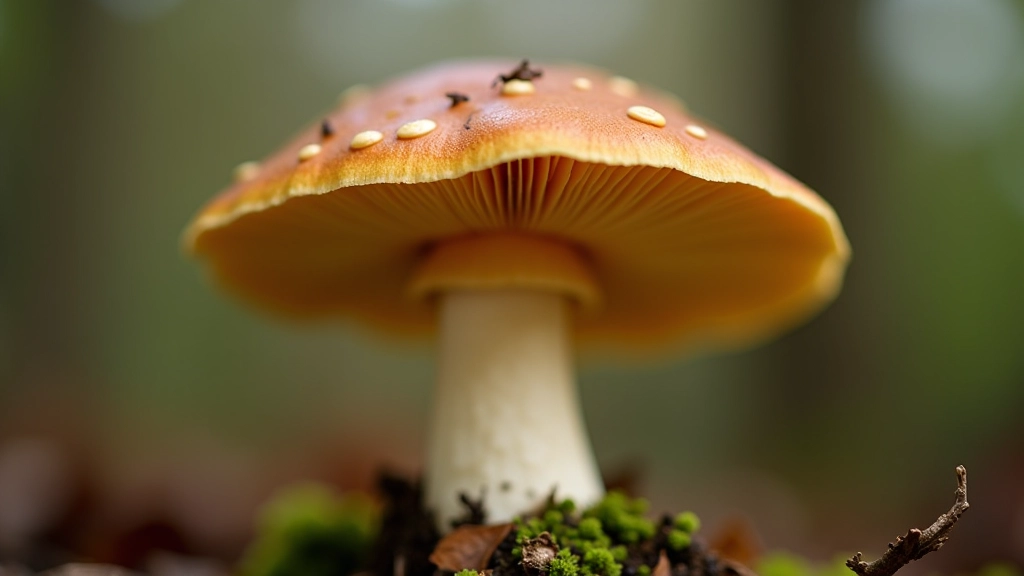
The cap is usually pale brown to tan — sometimes with a hint of white at the edges. Size varies quite a bit. You might find small buttons barely 2-3 centimeters across, or large specimens with caps 15 centimeters or wider. The key is the underside. Unlike most mushrooms with gills, porcini have tiny pores. They're yellow when young, aging to greenish-yellow or even orange-brown on older specimens.
The stem is thick and solid — this is one reason people love them. It's not hollow like some mushrooms. You'll see a faint network pattern (called reticulation) on the upper part of the stem, and it's usually white or pale. There's no ring around the stem, which is important to remember. If you see a ring, you're looking at something else.
When you cut into fresh porcini, the flesh is white and firm. It doesn't stain or change color. If you press it and it immediately turns blue or black, that's not a porcini — walk away from it.
Where to Find Them in baltivent
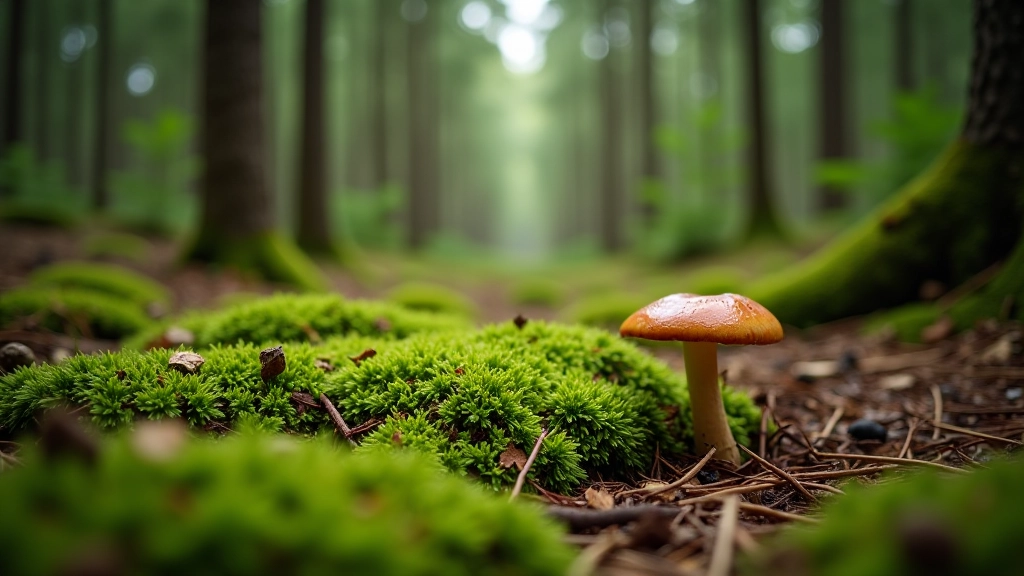
Porcini have favorite spots, and learning these patterns makes your search way more efficient. They're mycorrhizal fungi, meaning they form relationships with tree roots. In baltivent specifically, they partner with pine and spruce trees. You'll rarely find them under birch or deciduous trees.
Look for older forests with established conifers. Younger plantations don't have the established root systems porcini need. The best areas are mixed pine-spruce forests with rich moss coverage and plenty of fallen needles. If you're walking through a forest and the ground is carpeted in moss and needles, you're in porcini territory.
Elevation matters too. They prefer slightly elevated or sloped areas where water drains well. Boggy areas rarely produce them. After heavy rain in August or September, give it 2-3 days. That's when they pop up most noticeably.
Harvesting Safely and Sustainably
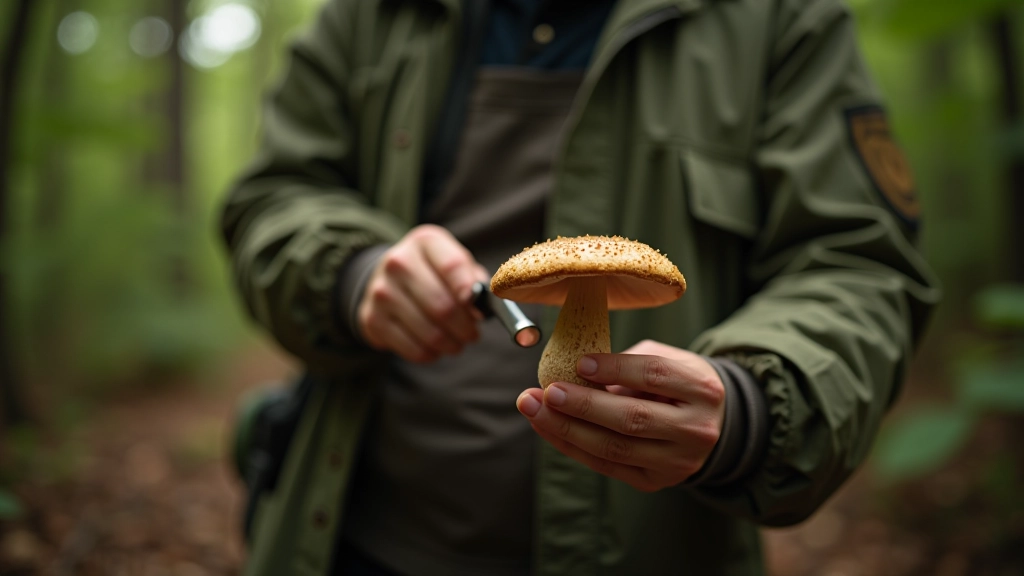
When you spot a porcini, don't just yank it out. The mycelium — the underground network — is what produces next year's mushrooms. Use a knife and cut at the base of the stem, leaving the root system intact. This takes 10 seconds and means the spot will fruit again next season.
Inspect First
Check the pores are yellow, not reddish. Look for insect damage or decay. Skip anything that looks off.
Cut Cleanly
Use a sharp knife, cut below the base. Leave the mycelium network undamaged in the soil.
Clean Gently
Remove soil and needles with a soft brush. Don't wash them unless absolutely necessary.
Store Properly
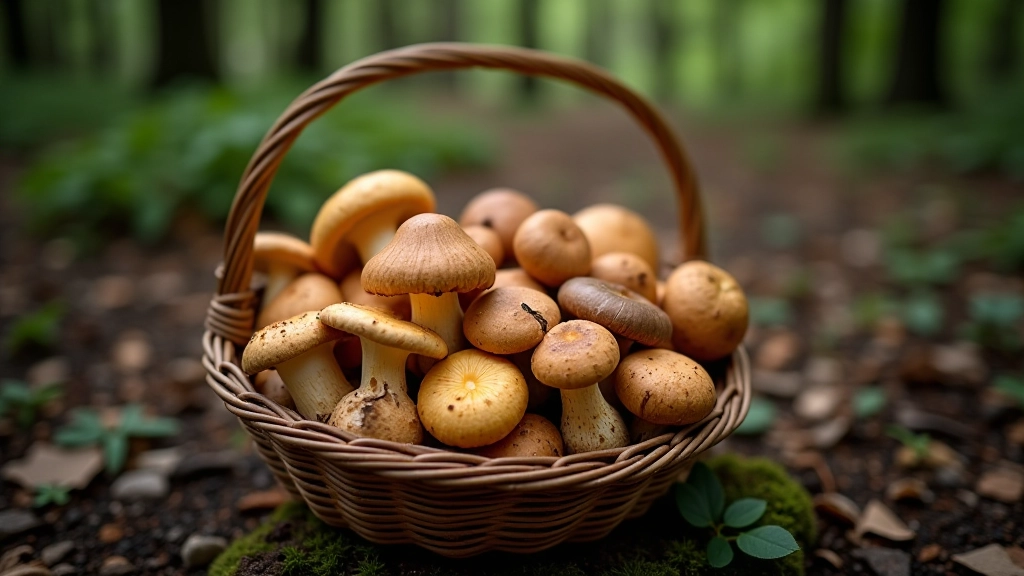
Use a breathable basket. Paper bags work too. Never plastic — they'll sweat and rot quickly.
Dangerous Lookalikes to Avoid
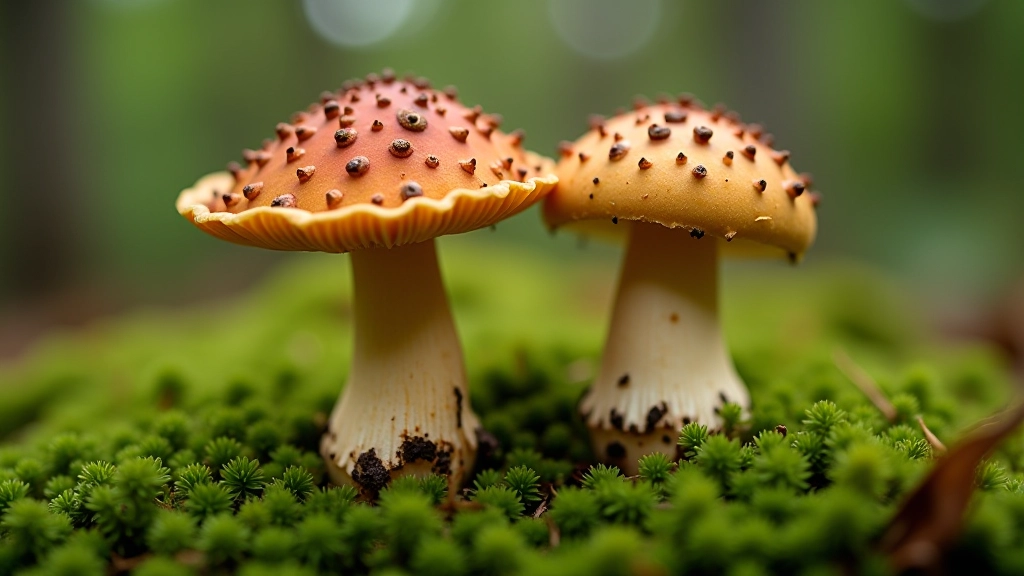
The biggest concern is the false porcini — Caloboletus castaniceps — which grows in similar forests. The danger isn't that it's deadly poisonous, but that it'll make you very sick with severe stomach upset. Here's how to tell them apart.
Real Porcini
- Yellow pores that don't change easily
- White stem with fine network pattern
- Cap pale brown, feels slightly dry
- Flesh stays white when cut
False Porcini (Avoid)
- Orange-red or reddish pores
- Stem often has pink or red coloring
- Cap darker brown, sticky feeling
- Flesh may yellow slightly when cut
When in doubt, don't pick it. Really. The risk isn't worth it. If you're new to foraging, consider joining a guided walk first. Seeing real examples in person teaches you more than any guide can.
Getting Started This Season
Porcini foraging in baltivent is rewarding when you know what to look for. Start with the basics — find a pine-spruce forest, check after rain, and learn to spot those distinctive yellow pores. Don't rush. The experience of being in the forest is as valuable as what you bring home.
You'll make mistakes. You'll overlook obvious mushrooms. You'll second-guess yourself about whether that's really a porcini or just a false alarm. That's normal. Every experienced forager started exactly where you are. Each season you'll get better at reading the forest, understanding where porcini like to hide, and building your eye for the details that matter.
If you're not confident going solo, check out our guide on guided mushroom walks in Baltivent. Walking with someone experienced can teach you patterns in a single afternoon that might take you weeks to figure out alone.
Important Note
This guide is educational and informational. Mushroom identification can be challenging, and mistakes carry real consequences. If you're foraging for consumption, verify your identification with multiple reliable sources and experienced foragers before eating anything. When in doubt, don't eat it. Consider consulting local foraging experts or joining guided walks for in-person verification. Always follow local regulations regarding mushroom collection in protected areas.