
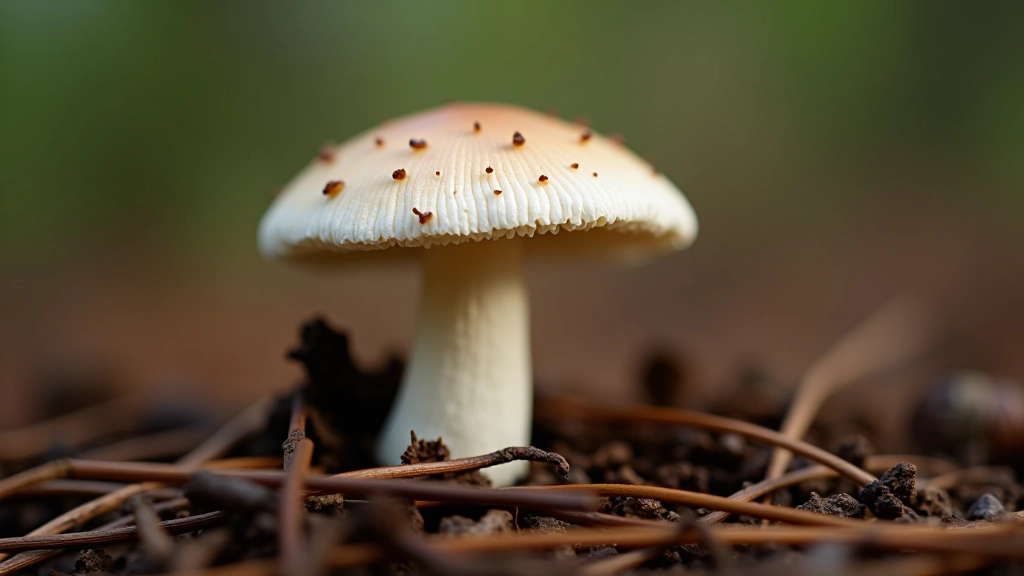
Porcini Mushrooms: Forest Gold and How to Spot Them
Porcini are prized for their nutty flavor and meaty texture. This guide covers what makes them special and how to identify them reliably.
Chanterelles are the most sought-after edible mushroom in Baltivent. We'll show you the key features that separate them from lookalikes — funnel shape, false gills, and that distinctive apricot smell.
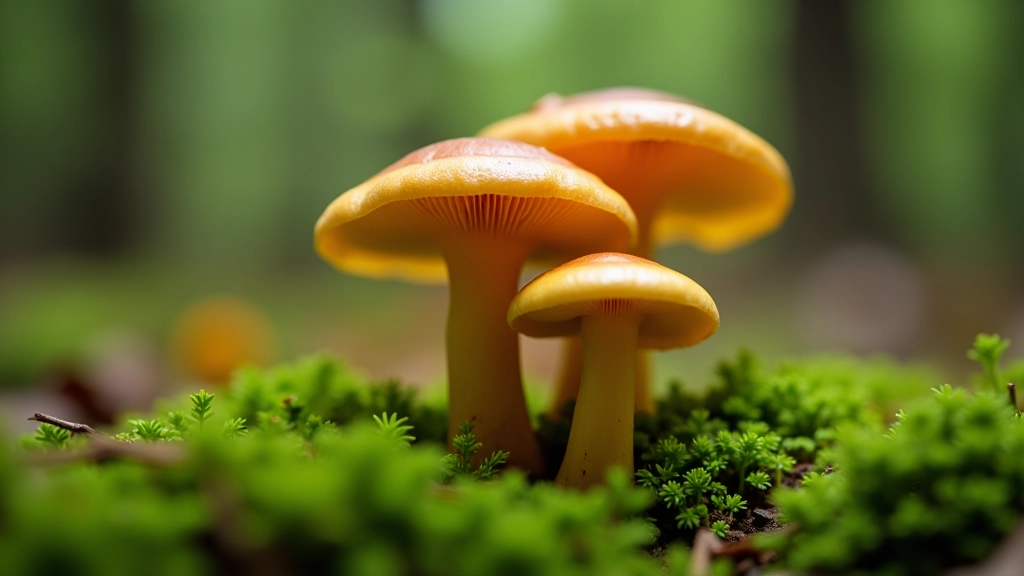
Chanterelles aren't just another mushroom. They're the gold standard of forest finds — prized by chefs, beloved by foragers, and absolutely worth the effort to hunt down. If you're walking through baltivent's pine and oak forests between June and September, you're looking for that distinctive funnel shape and buttery-yellow color that makes experienced foragers smile.
Here's the thing though: chanterelles have dangerous lookalikes. False chanterelles exist in the same forests, and picking the wrong one could ruin your meal or worse. That's why learning to identify them properly isn't just helpful — it's essential. We've spent years on these walks, and we know what separates a real chanterelle from an imposter.
Chanterelles are so valuable that commercial foragers in Estonia can make significant income during peak season — July through September. That's when the real hunting begins.
These five characteristics will help you spot genuine chanterelles with confidence.
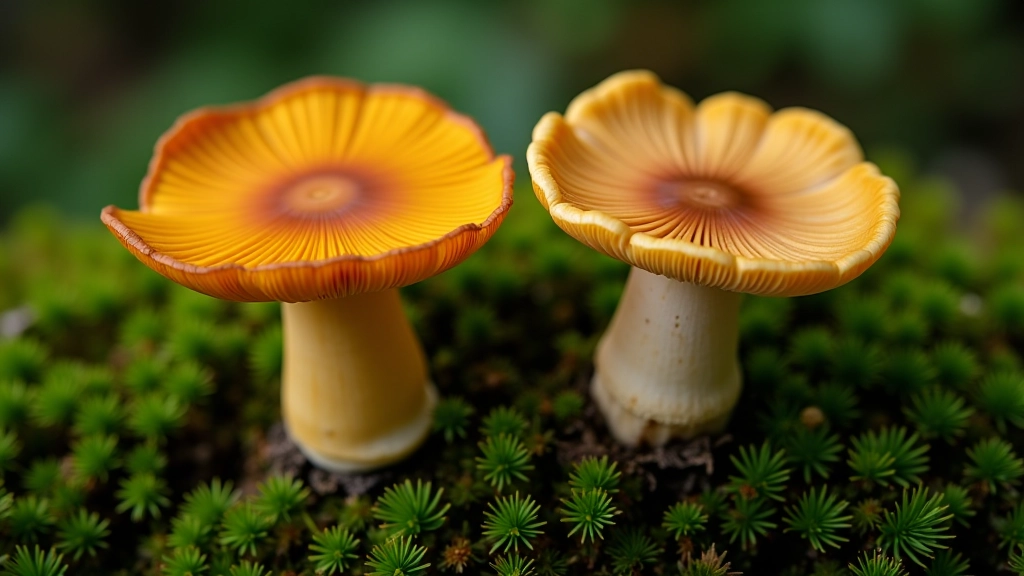
Real chanterelles have a distinctive funnel or trumpet shape. The cap curves inward gradually from the center, creating that characteristic depression. False chanterelles look more like typical mushrooms with a regular flat or slightly convex cap.
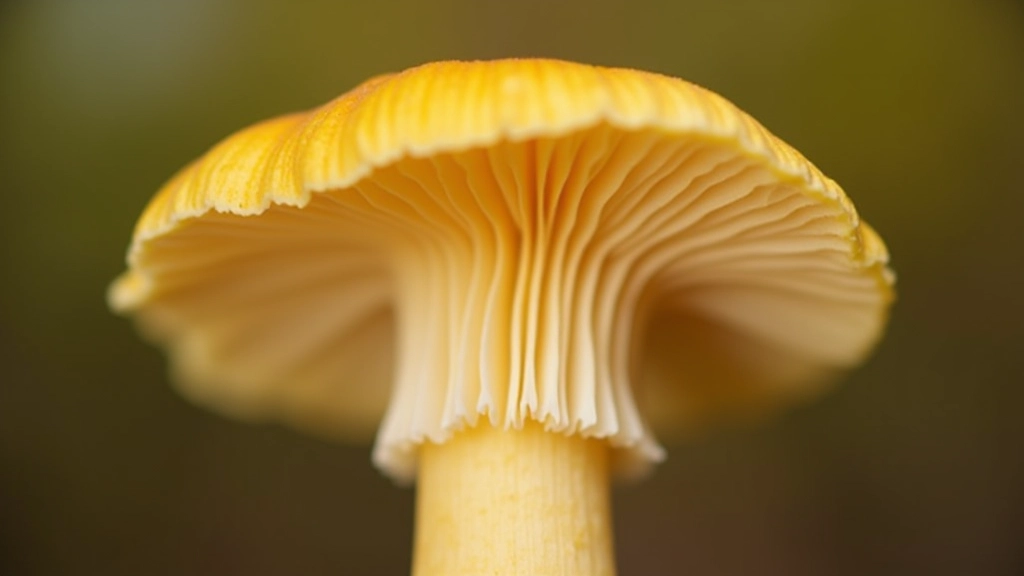
Look underneath and you'll see what we call "false gills" — they're not true gills but ridges that run down the stem. They're thick, blunt, and they fork and branch. Run your finger along them and they feel like tiny roads, not the sharp edges of real gills.
Fresh chanterelles smell distinctly like apricots or sometimes fruity jam. This is probably the easiest field test once you've smelled one. False chanterelles don't have this fruity aroma. Trust your nose — it won't lie to you.
Cut a chanterelle in half lengthwise. The flesh should be solid and pale yellow throughout. False chanterelles often have a hollow or dark interior. This internal structure is actually one of the most reliable ways to tell them apart.
Chanterelles grow scattered in moss and soil, rarely in clusters. They prefer the acidic ground under oak and pine trees. If you find mushrooms growing in tight bunches or on rotting wood, they're probably not chanterelles.
Real chanterelles are uniformly golden-yellow to orange-yellow. The color runs from the cap down through the false gills to the stem — no sharp color changes. Some species in baltivent can be paler, but they're never pure white or with dark spots.
The false chanterelle — scientifically known as Hygrophorellus pseudoaurantiacus — is the main impostor you'll encounter in Baltivent. It's not poisonous, but it's not pleasant to eat either. It's bland, tough, and won't give you the culinary experience you're after.
Here's where they differ most: false chanterelles have true gills that are thin, sharp, and they don't fork. If you look underneath a false chanterelle, those gills run straight down without branching. On a real chanterelle, those false gills are chunky and look almost like ridges. They fork and reconnect as they go down the stem.
The smell test separates them instantly. Real chanterelles have that apricot or fruity aroma — it's unmistakable once you've experienced it. False chanterelles smell earthy or nondescript. Some people describe it as "mushroomy" in the worst way possible.
This guide is educational and designed to help you learn about mushroom identification in Baltivent. However, mushroom identification can be challenging, and mistakes are possible. When you're starting out, it's wise to forage alongside experienced guides or have an expert confirm your finds before eating. Different mushroom species can look similar, and even experienced foragers sometimes double-check their identifications. When in doubt, leave it in the forest.
Timing matters. Chanterelles appear when conditions are right — typically after warm rains in June, with peak season running through July and August. September can still be productive if there's moisture in the ground. During dry spells, you'll find almost nothing. After a good rain though, they pop up quickly.
Location is equally important. Chanterelles prefer acidic soil under oak and pine trees. In baltivent, that means the drier upland forests rather than wetland areas. They're rarely found in beech forests or on the edges of open fields. Look in established woodland where the ground is covered in moss and leaf litter, and where you can see the acidic soil peeking through.
The best approach: walk slowly through likely areas and scan the ground. Don't stomp around looking for big clusters — chanterelles grow scattered, sometimes just one or two in a patch. Once you find one, search nearby carefully. They often grow in loose groups across an area rather than all in one spot.
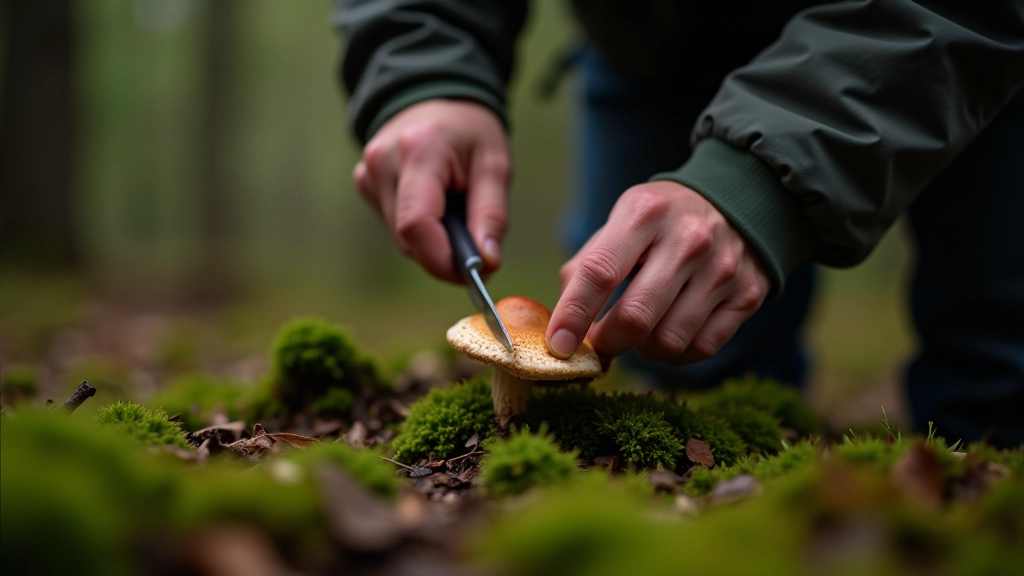
You'll want to harvest chanterelles carefully. Don't pull them out violently — use a knife to cut them at the base. This leaves the mycelium (the root system underground) intact, so mushrooms can grow in the same spot next year. It's better for the forest and better for future harvests.
Clean them gently in the field if you can. Use a soft brush or cloth to remove dirt and moss. Don't soak them in water — chanterelles absorb moisture like sponges and lose their delicate flavor. If they're really dirty, a quick rinse under running water is fine, but dry them immediately afterward.
Store them in a breathable container — never a plastic bag. Paper bags or mesh bags work well. They'll keep for several days in a cool place, or you can freeze them for longer storage. Many foragers in baltivent dry their chanterelles, which concentrates the flavor and makes them last through winter.
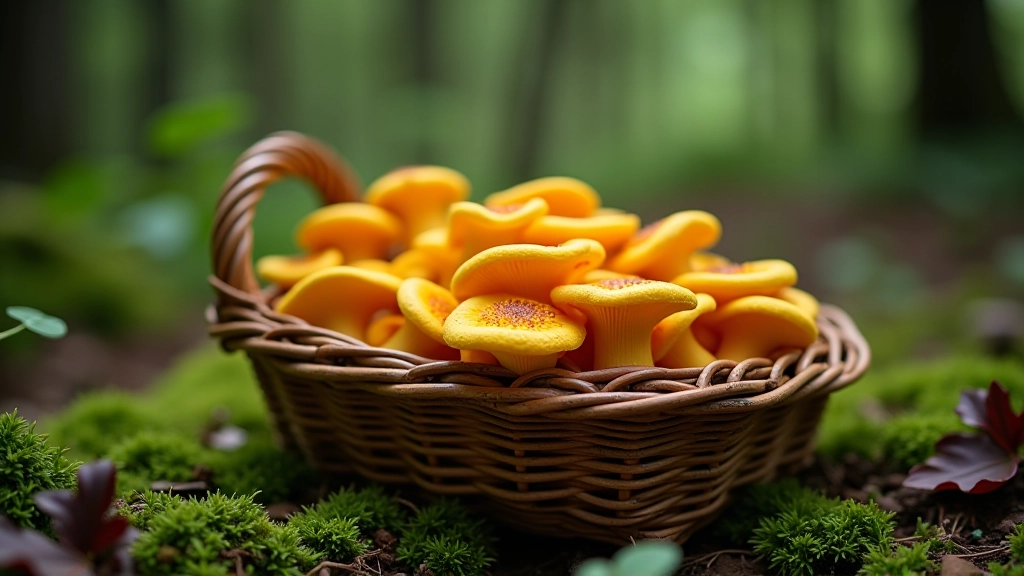
Chanterelles are versatile in the kitchen. They're delicious simply sautéed in butter with salt and pepper. They work beautifully in cream sauces, pasta dishes, or traditional Estonian preparations. Their apricot-like aroma adds something special to any dish — that's why they command higher prices at markets.
Many serious foragers in baltivent treat chanterelle season like a job. They'll spend several days a week walking the same forest patches, knowing when conditions are right and where mushrooms are likely to appear. It's not just about the money either — it's about understanding the forest rhythms and becoming part of a tradition that goes back generations in Estonia.
If you're joining one of our guided walks, you'll see this knowledge in action. Our guides know the forests intimately. They know which patches produce reliable harvests, which areas to avoid, and how to read the conditions. That's what makes the difference between a frustrating walk and a basket full of mushrooms.
You now know what separates real chanterelles from the impostors. You understand where they grow in baltivent, when to find them, and how to harvest them properly. The best part? You can put this knowledge to work right away.
If you'd like to experience chanterelle hunting with people who know these forests inside and out, we invite you to join one of our guided mushroom walks. You'll learn faster, spot more mushrooms, and most importantly, you'll be absolutely certain about what you're picking.
Porcini are prized for their nutty flavor and meaty texture. This guide covers what makes them special and how to identify them reliably.
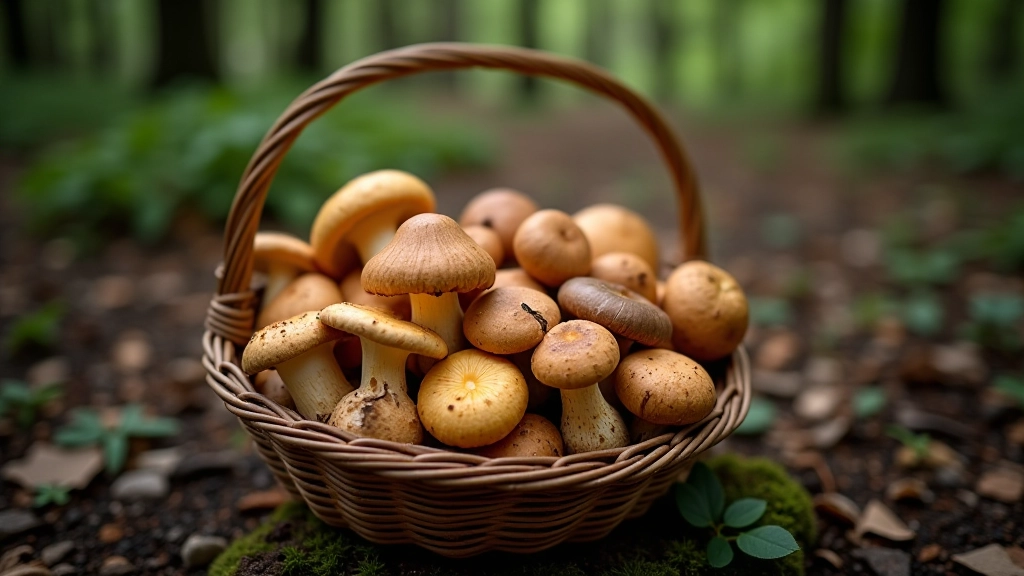
Not all mushrooms are safe to eat — some are deadly. We'll teach you the basic rules that keep you safe in the forest.
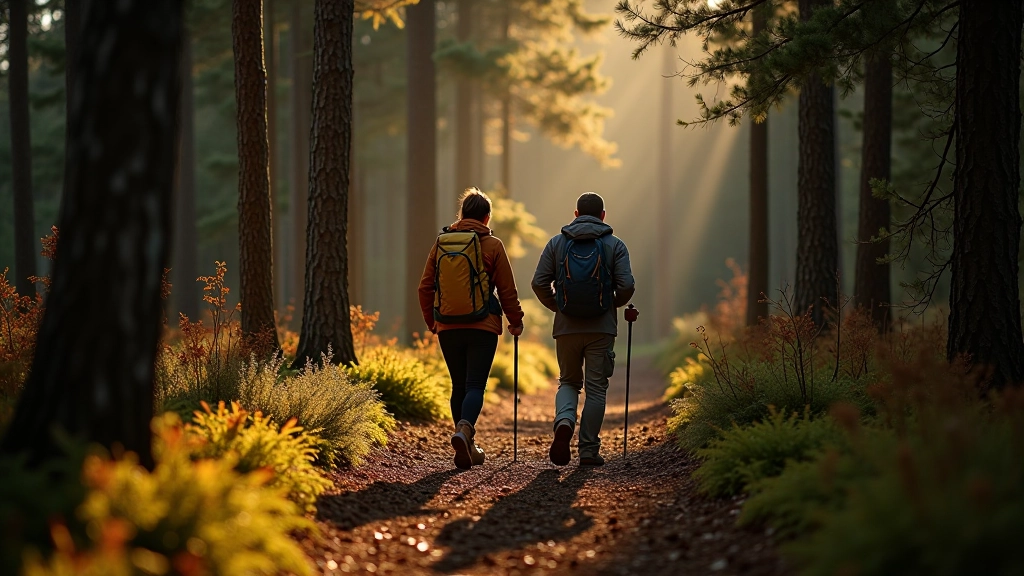
Thinking about joining a guided walk but unsure what to expect? We'll cover what to bring, what to wear, and how these walks actually work.